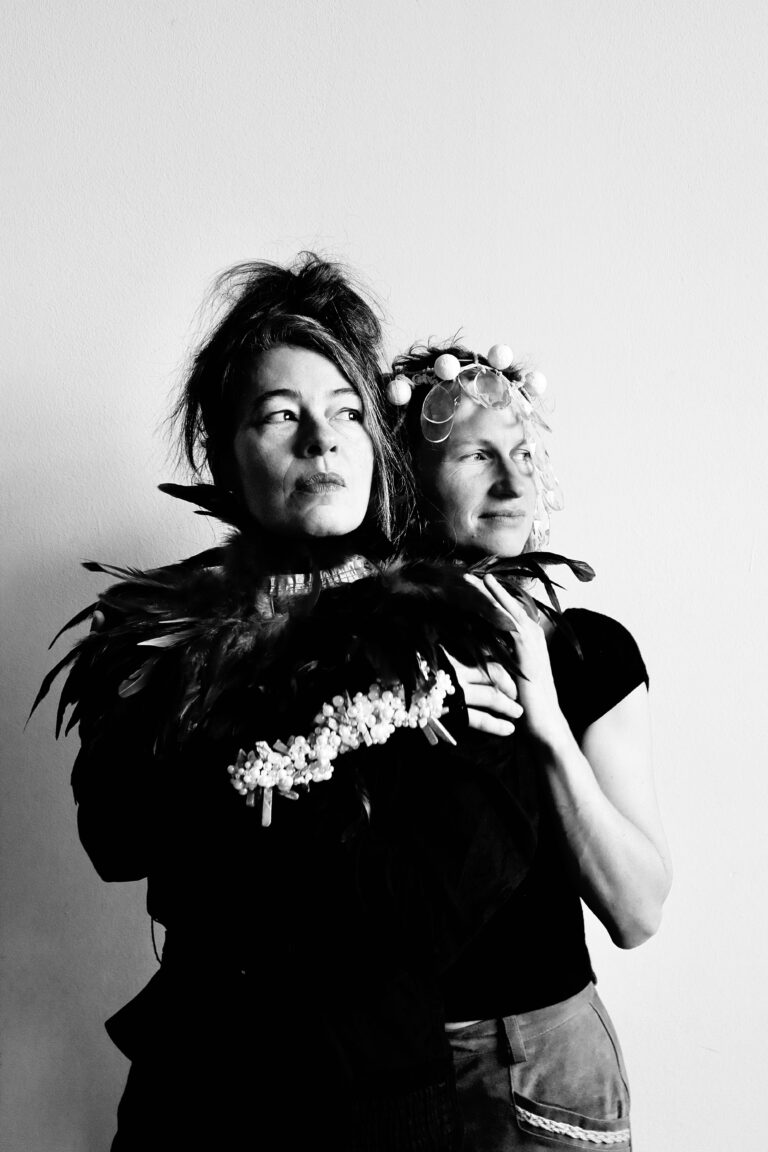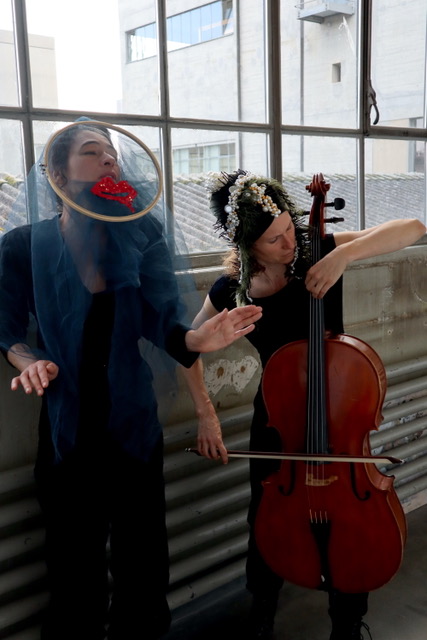
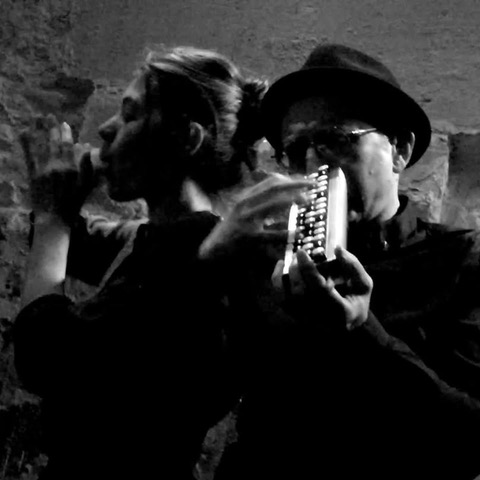
Recording with Tristan Macé in Paris
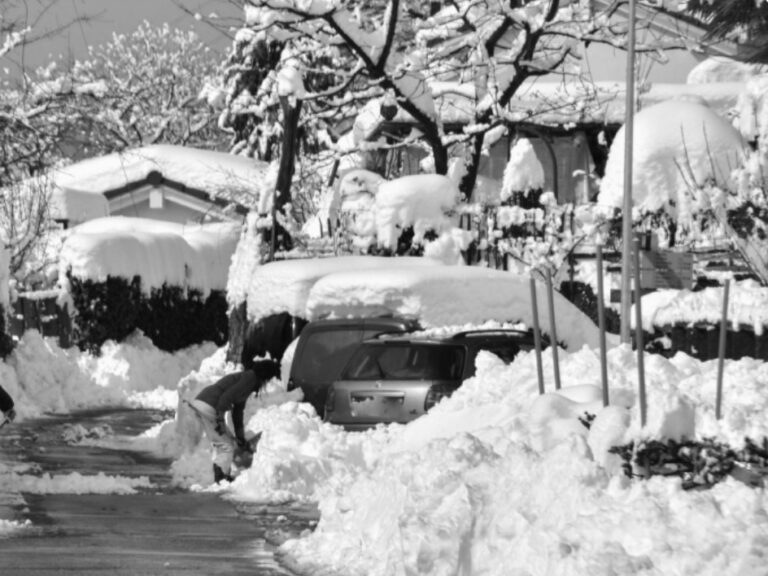
When I wake up at five on my mountain at home, neighbors, animals, and unseen beings are already awake. The rooster crows and the birds are singing. The light is already on in the house next door
My late father smiles from his photo, his candle glowing. With the lighter in hand, I tend the stove, careful not to stumble over Elfriede, who slips mischievously and affectionately across my feet.
Smoke rises from my chimney, it gets warm. Time for coffee. Time to watch the dawn.
In Paris, I wake up completely alone. Only two windows in all the surrounding high-rises show light. For such a big city, it is surprisingly quiet.
I leave the apartment, and finally there are people in the Metro. U-Bahn station Père Lachaise. The world-famous cemetery with all the celebrities. Perhaps the calm of the dead and their serenity is contagious. The neighborhood, in any case, delighted me enormously. Very lively.
And the cemetery was very lively too. I had been there yesterday, wanting to visit one of the many icons. Jim Morrison would have been nice, or Guillaume Apollinaire, or Honoré de Balzac. But it is International Women’s Day, March 8, so I decide for Maria Callas and Gertrude Stein. I scan the map and set off.
A few meters in, I get caught in a commotion. An eccentric couple draws disapproval. They are dressed in black. He is tall and thin, but wears outrageously expensive designer platform shoes, which bring him to nearly two meters. He is bald, white-faced, and wears a floor-length black coat.
She reaches about 1.60 meters in heels, also dressed in black. She wears it more to the side, which her large, wide-brimmed hat further emphasizes.
People are annoyed by the way they are dressed. I feel sorry for them. They have probably come from far away. They have dressed up so nicely for their hero or heroine. And that might have been Oscar Wilde, Brigitte Fontaine, or again Jim Morrison. And those people would probably have given them a like and enjoyed it.
But with the dead, it’s a tricky thing. The good spirits leave them unsupported. Nobody defends them against the polite indignation of the living. They must leave. This is how one can fail even on a cemetery.
I fail too. Maria hides. Gertrude too. I have to filter their voices and smiles out of the sunlight and the mist. But it’s not mist. It is Saharan dust, a colleague explained. Carried by the winds to Paris, it settles on the white and black Parisians, on the well-dressed, and on those sleeping in tents or at subway entrances. He talks about the pyramids, but also about Sudan. And while he is at it, he also tells what his colleague from the Orient has reported to him from Gaza, Lebanon, and Iran.
That is how it is today. You simply can no longer look away.
Yes, Maria, sing your song. Gertrude, shovel your words into our path. I do not need your graves and I do not have time, like the other tourists, to picnic in the cemetery. For there is still a living friend who lies in the hospital.
And I go back once more, because yesterday I had gotten so lost in the vast Salpêtrière complex that I only finally stood at her bedside after forty minutes of searching, in tears. Not an uplifting hospital visit.
Today I try again, and it works. We laugh. She even takes a few steps. She knows she still has a lot of music to play. She sees the magnolia blooming outside the window. She even poses for a photo in a winner’s pose.
I am deeply impressed.
She must now practice patience. I promise to practice as well.
Then I sit again in the Metro and think about the music I recorded yesterday with Tristan Macé in the small Mel studio in the 20th arrondissement. Three hours we played our souls out. Bandoneon and voice. Three hours of small scenes and big arcs, letting this absurd existence rumble, whisper, tremble, and speak through us. We finished sweaty, amazed, relieved, and decided to wait two weeks before listening to it.
And now on the way to the train, I watch the people again. Remarkably many are carrying instruments with them.
Musicians in Paris get up especially early on Monday mornings. Because they have to keep going, or are homesick, or simply booked the cheap train tickets that only run at impossible times.
Because it goes on.
Through the whole crooked world.